Spring Creek Parkway
Spring Creek Parkway is a main east-west route through South Plano. We use it to reach neighborhoods like Whiffletree and Custer Park and to route between calls quickly.
Slab Leak Repair in South Plano starts with finding the leak before anyone cuts concrete. Our technicians use electronic leak detection equipment, acoustic listening devices, and thermal imaging cameras to pinpoint the break within inches, then repair it with the least disruption to your home. We work the neighborhoods off Spring Creek Parkway and Russell Creek every week, and we know how these slabs and pipes behave.
South Plano homeowners call us for everything from a single pinhole in a copper line to a full underground pipe leak under a driveway. The most common request we get is help with a slab leak that is driving up the water bill but has not surfaced yet. We handle detection, repair, and the concrete work that follows, so you deal with one crew from start to finish.
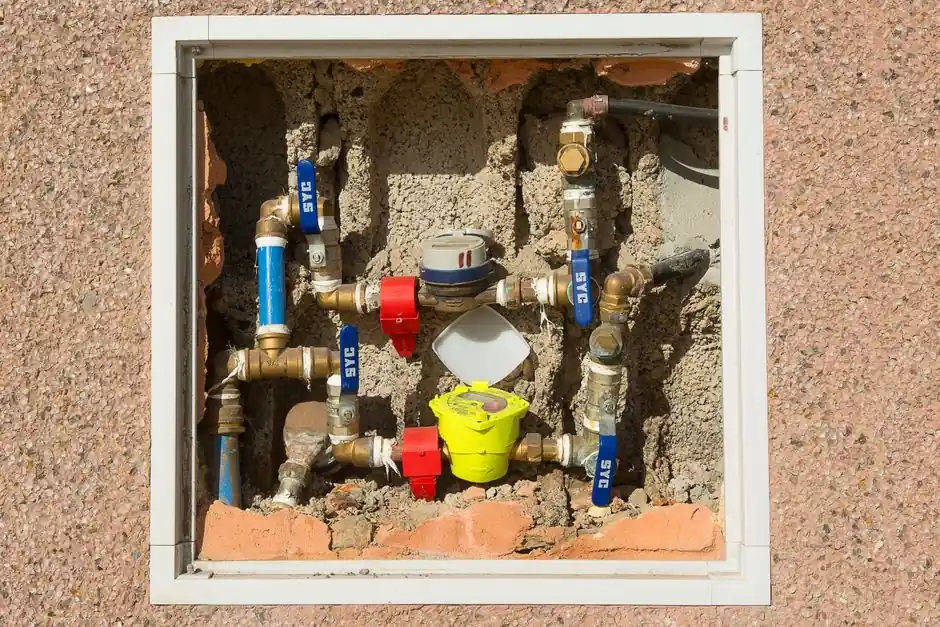 Slab Leak RepairWe repair slab leaks in South Plano homes by isolating the failed section, cutting a precise access point, and replacing the damaged copper pipe or PEX tubing with new material. Repairs are pressure-tested before we patch the concrete with concrete patching compound. Most residential repairs are finished in one to two days.View details →
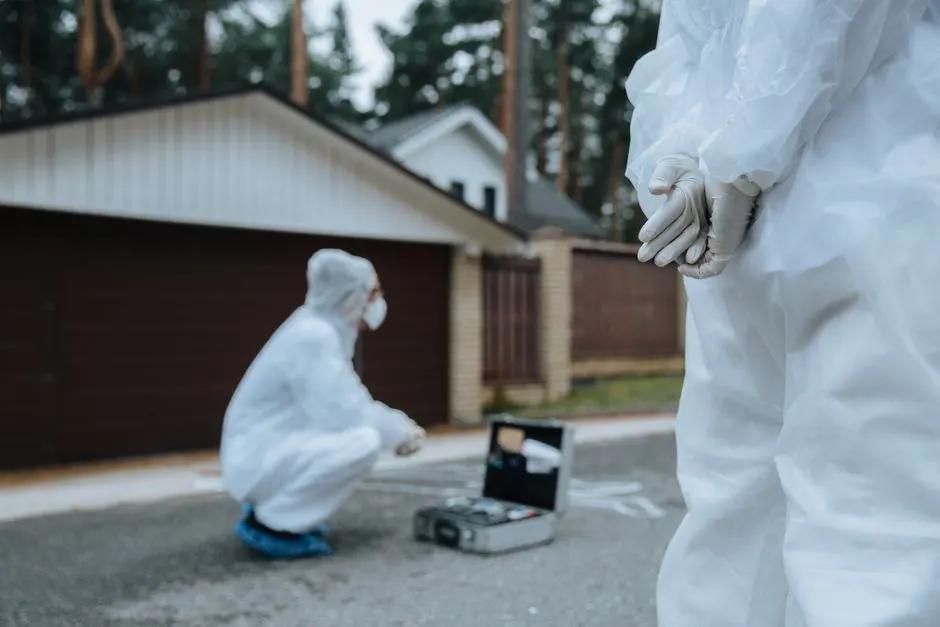 Slab Leak DetectionSlab leak detection in South Plano starts with isolating the system and pressurizing it with pressure testing kits. We then use acoustic listening devices and thermal imaging cameras to locate the break within a few inches, which keeps the repair footprint small. We mark the floor and walk you through what we found before any cutting begins.View details →
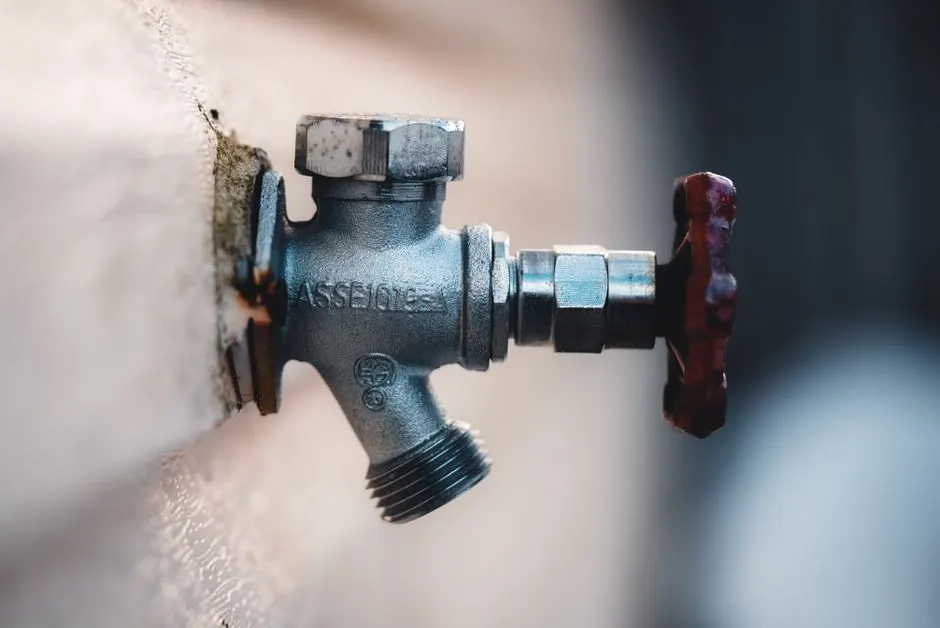 Leak DetectionGeneral leak detection across South Plano covers supply lines, drains, and irrigation. We use moisture meters to map saturation and video inspection cameras to check drain lines under the slab. If the leak is behind a wall or under a cabinet, we find it without demolition.View details →
 Water Leak DetectionWater leak detection in South Plano homes focuses on the supply system first: we shut off fixtures, pressurize the line, and watch for pressure loss. From there we use electronic leak detection equipment to trace the line under the slab. This is the fastest way to confirm a slab leak before you call a foundation company.View details →
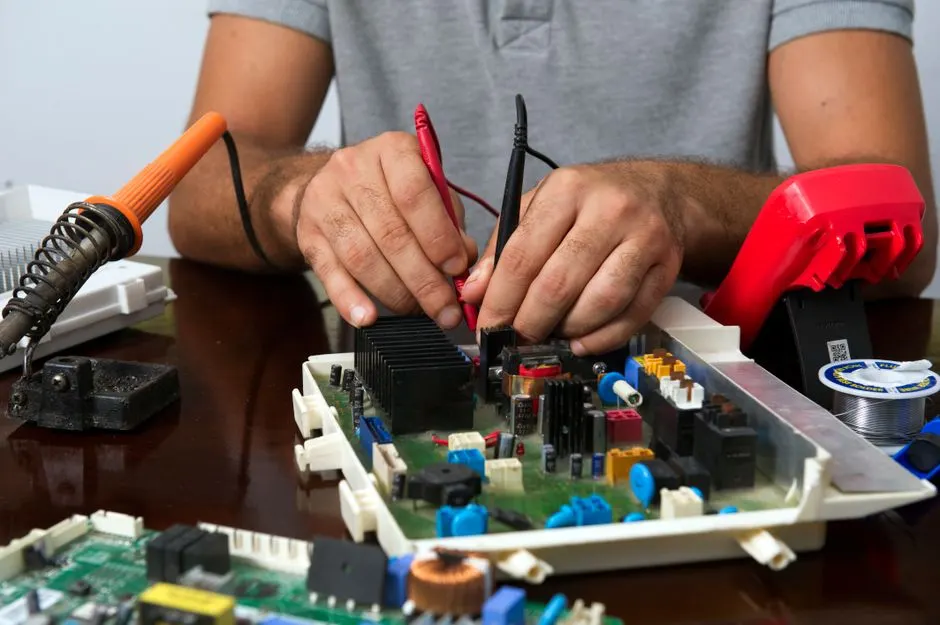 Electronic Leak DetectionElectronic leak detection is our first tool on most South Plano calls. We run LeakTronics and RIDGID equipment over the floor to pick up the sound and temperature signature of a pressurized leak. It works through tile, hardwood, and carpet without opening the floor.View details →
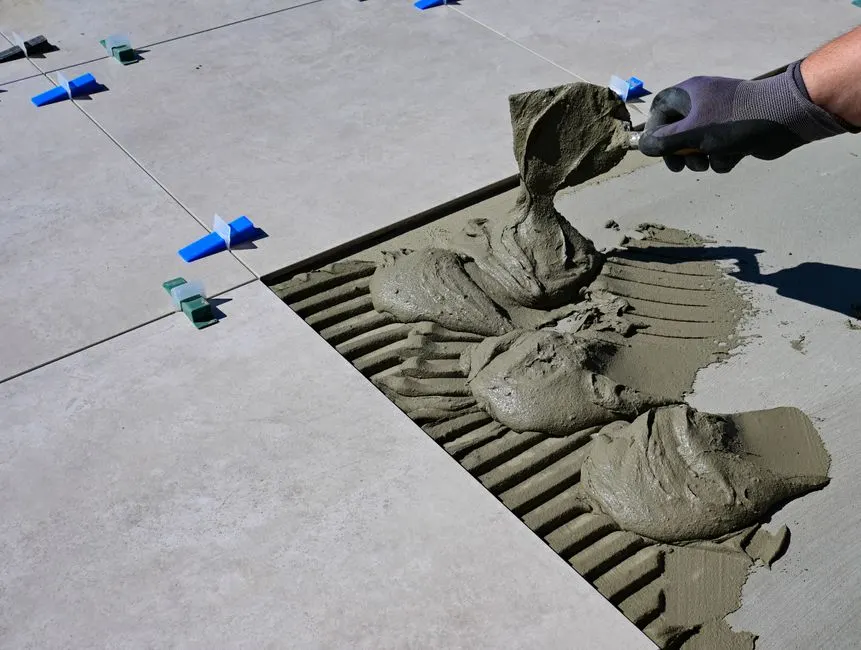 Emergency Slab Leak RepairEmergency slab leak repair in South Plano is available 24/7. If water is pooling in a room or you hear running water with everything off, call and we will dispatch a technician with detection gear. We isolate the leak, stop the water damage, and schedule the permanent repair.View details →
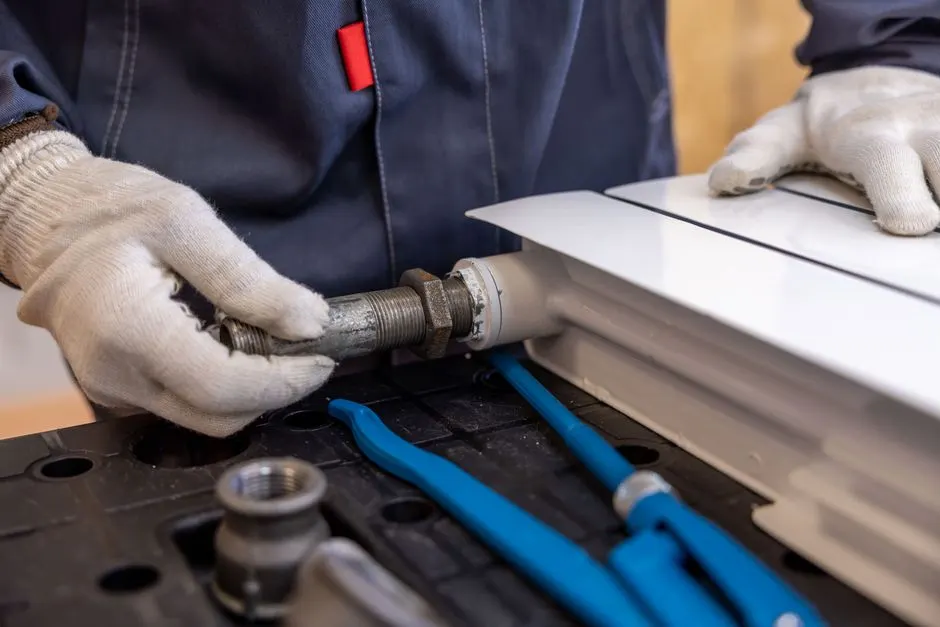 Pipe Leak RepairPipe leak repair in South Plano covers copper, PEX, and PVC lines under the slab and in the yard. We cut out the failed section, solder or crimp new pipe, and test the line before backfilling. For underground lines, we use pipe locators to avoid hitting irrigation or gas lines.View details →
 Underground Leak DetectionUnderground leak detection in South Plano covers the water service line from the meter to the house and any lines running under driveways or patios. We use pipe locators and acoustic equipment to trace the line and find the break. This is common on older lots where the original service line has never been replaced.View details →
Every Slab Leak Repair in South Plano follows the same sequence: detect, isolate, repair, test, and restore. We start by shutting off the water and pressurizing the system with pressure testing kits. Then we run electron
South Plano sits on expansive clay that swells after rain and shrinks in dry months. That movement puts lateral stress on buried copper and PVC lines, which leads to joint failures and pinhole leaks. We see a spike in calls after long dry spells and again after heavy spring rain.
How we help: We use pipe locators and acoustic equipment to trace the line and find the exact failure point, then repair with flexible PEX where code allows. That reduces stress on the joint and lowers the chance of a repeat leak in the same spot.
Many South Plano homes still have original copper under the slab. At 25 to 40 years old, that copper is prone to pinhole leaks, especially where water chemistry is aggressive. A single pinhole can waste hundreds of gallons a month.
How we help: We pressure-test the system and use electronic leak detection to confirm the leak location before cutting. If the copper is failing in multiple spots, we walk you through a partial repipe versus a spot repair so you can decide based on cost and longevity.
Many South Plano subdivisions were built with post-tension slabs, which have tensioned cables running through the concrete. Cutting in the wrong place can damage a cable and compromise the foundation. That makes precise detection even more important.
How we help: We use thermal imaging cameras and acoustic equipment to narrow the leak location to within a few inches, then scan for cables before cutting. When a cable is close, we adjust the access point to stay clear and use a smaller repair footprint.
Warm spots on the floor
Water bill spikes without explanation
Sound of running water with everything off
Damp carpet or buckling flooring
Cracks in the wall or floor
South Plano is easy to navigate once you know the main corridors. We use Spring Creek Parkway and Parker Road as our east-west routes, and Custer Road and Independence Parkway as north-south. When we dispatch a truck, we route by these roads and use the major intersections as reference points so we can give you an accurate arrival window.
Spring Creek Parkway is a main east-west route through South Plano. We use it to reach neighborhoods like Whiffletree and Custer Park and to route between calls quickly.
Russell Creek Park sits near the center of South Plano and serves as a reference point for the surrounding neighborhoods. We use it to orient our routes when heading to calls off Custer Road and Parker Road.
Parker Road is a major east-west corridor along the south edge of Plano. It connects to US 75 and the Dallas North Tollway, which we use to reach South Plano from other parts of the metroplex.
These are our most frequently served ZIP codes. Nearby areas may also qualify—call if you do not see yours.
Whiffletree · Custer Park · Old Shepard Place · Russell Creek
Our team can help if your question is not answered here.
Call +1 (972) 544-0575 →Most spot repairs in South Plano run $450 to $1,200 in 2026, and larger repairs run $1,500 to $4,000. Detection alone is $250 to $450 and is credited toward the repair if you schedule it the same day. The final price depends on access, pipe material, and whether the slab is post-tension.
Most South Plano slab leak repairs are finished in one to two days. Detection takes one to two hours, the repair itself takes four to eight hours, and the concrete patch cures overnight. If the leak is under tile or hardwood, we may need an extra day for the finish work.
Yes. We use electronic leak detection equipment, acoustic listening devices, and thermal imaging cameras to locate the leak through the floor. We mark the spot and confirm it with pressure testing before we cut. The access point is usually 12 to 18 inches square.
No, you can stay home during most slab leak repairs. We shut off the water for the repair, which usually takes four to eight hours. We keep the work area contained and clean up before we leave. If the repair requires a longer water shutdown, we let you know in advance.
Shut off the main water valve to your house and call us at +1 (972) 544-0575. If you hear running water or see water pooling, shut off the valve first to limit damage. We offer 24/7 emergency response and can usually be on-site in South Plano within an hour.
Water under your slab won't wait, and neither should you. Call Plano Leak Pros at (972) 544-0575 for 24/7 emergency service. We locate the leak, fix it, and test the line before we leave.
Tell us what you are seeing and where you are located. Our team will call to confirm the right appointment type and timing.